Longevity interventions, weighed by the evidence.
NAD⁺ precursors, senolytics, mitochondrial peptides, and the wider healthspan toolkit. We grade interventions by the strength of their human data, not the confidence of their marketing.
Sexual health
Erectile-dysfunction treatments and the evidence behind them — from the proven PDE5 inhibitors to centrally acting and botanical options.
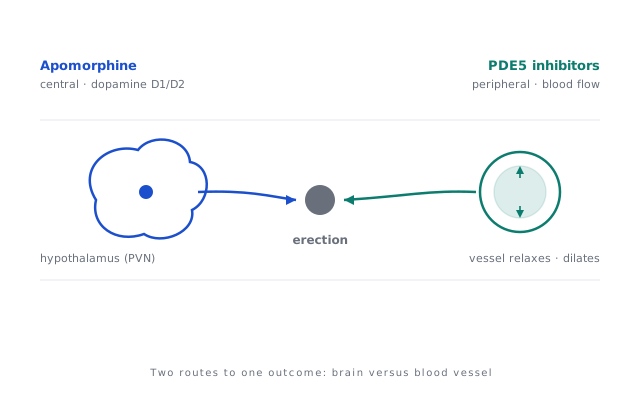
Apomorphine for ED: How It Works and What the Evidence Shows
A centrally-acting dopamine agonist that starts the erectile signal in the brain — its modest trial record, its withdrawn European approval, and why it still turns up in compounded telehealth combos.
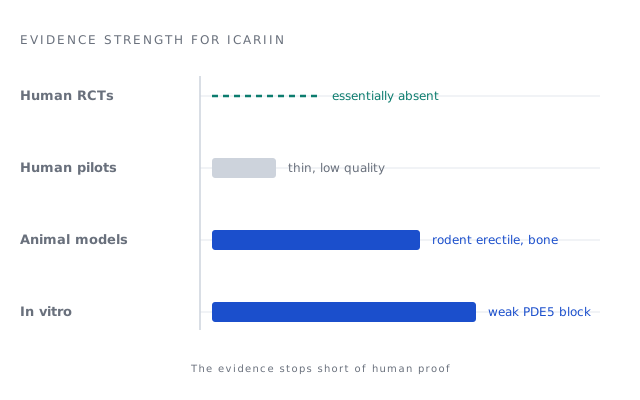
Icariin and Horny Goat Weed: What the Evidence Actually Shows
A real PDE5 inhibitor in the test tube with coherent animal data — but weak potency, poor oral absorption, and essentially no rigorous human trials behind the “natural Viagra” label.
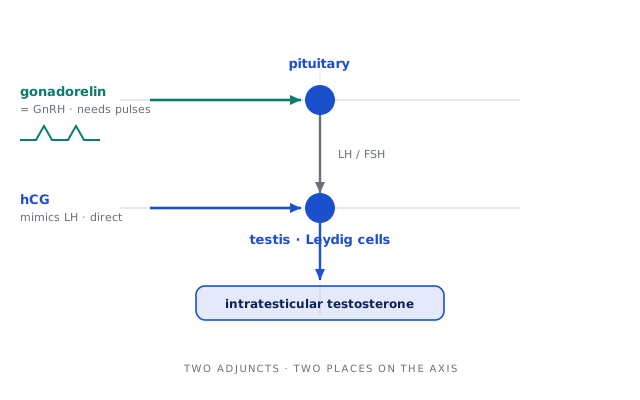
Gonadorelin vs hCG: Testosterone, Fertility, and Libido on TRT
Both aim to keep the testicular axis on during TRT, but hCG mimics LH directly at the testis with real fertility data, while gonadorelin's once-daily bolus dosing fights the pulsatile pharmacology GnRH depends on.
Enclomiphene, Libido, and Erectile Function: What to Expect
Enclomiphene raises your own testosterone — so it can lift libido and erections, but only when low testosterone was the cause, not for normal-T men or vascular and psychogenic ED.
Testosterone & hormones
Testosterone therapy and the fertility-sparing alternative — the full evidence base, from TRT to enclomiphene.
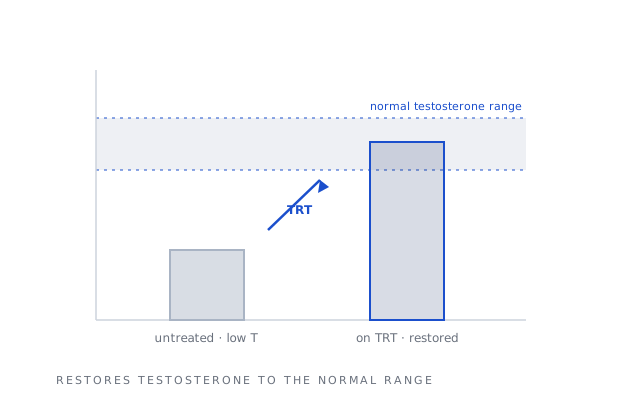
TRT: what testosterone therapy is actually proven to do
An FDA-approved therapy for diagnosed hypogonadism — with real but moderate benefits (sexual function, mood; not vitality), cardiovascular non-inferiority in TRAVERSE, and a real fertility trade-off.
TRT side effects: the real risks, and the monitoring that manages them
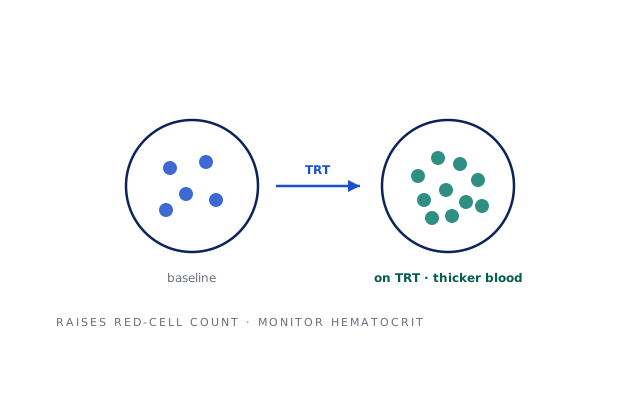
Testosterone therapy reliably thickens the blood (most with injections), suppresses fertility, and — per TRAVERSE — raised atrial fibrillation, clots and kidney injury. Here's what monitoring catches.
Pregnenolone: upstream of everything, aimed at nothing
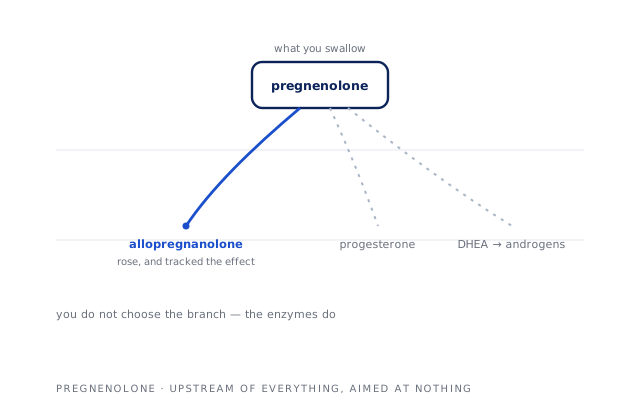
Pregnenolone is the precursor the whole steroid pathway is built from, which is exactly why an oral dose cannot be aimed — its real randomized-trial base is adjunctive psychiatry, not the memory and anti-aging uses it is sold for.
TRT and Hematocrit: Why Testosterone Thickens the Blood, and What to Do About It
Erythrocytosis is the most common lab change on testosterone therapy — predictable, route-dependent, and manageable with monitoring.
Testosterone levels by age: the real reference ranges, honestly explained
There’s no official per-decade chart — labs use one adult reference range (harmonized to roughly 264–916 ng/dL in healthy young men). Levels do fall ~1%/year with age, but partly because of weight, not age alone — and a number is never a diagnosis.
TRT before and after: a realistic timeline of what testosterone therapy actually changes
For men with diagnosed low testosterone, the real “before and after” is a timeline: libido and mood early, modest body-composition change over months, energy the wildcard. Here’s what the trials show — and what the transformation photos leave out.
How to get TRT online: the diagnosis pathway, and the red flags
TRT is prescription-only and needs a real diagnosis — symptoms plus low testosterone on two morning labs. Here's the legitimate telehealth flow, and why 'prescribed from a questionnaire' is the warning sign.
TRT cost: insurance copay vs cash telehealth, and what drives the price
TRT for diagnosed hypogonadism is often insurance-covered and the drug is cheap; flat-price cash telehealth runs about $129–$199/month. Injections are cheapest, and you may be overpaying for a covered drug.
Low testosterone treatment: the stepwise options that actually work
Confirm it's real, fix any reversible cause (weight, sleep, medications) first, then choose the medication — TRT for confirmed hypogonadism, enclomiphene or hCG when fertility matters.
TRT vs natural testosterone: what actually works?
Losing excess weight and fixing short sleep genuinely raise testosterone; exercise helps mostly via fat loss; zinc and vitamin D only if you're deficient; and most 'boosters' don't work. When that isn't enough, TRT is.
Anastrozole for Men: Does Blocking Estrogen Actually Help?
An aromatase inhibitor reliably raises testosterone and lowers estradiol in men — but routine use, especially on TRT, is off-label and risks the bone health estradiol protects.
Foods That Increase Testosterone: What the Evidence Actually Supports
Diet raises testosterone mainly by fixing a deficiency or reversing obesity — most “testosterone food” claims are hype.
Testosterone Therapy for Women: What the Evidence Actually Supports
Low-dose transdermal testosterone helps postmenopausal HSDD — and almost nothing else the marketing promises.
Boron: What the Evidence Actually Shows About the “Testosterone Mineral”
A trace mineral that nudges free testosterone and estradiol in tiny short studies — with no evidence it builds muscle or treats low T.
Shilajit benefits: a few small studies, and a real purity problem
Shilajit is a mineral-rich mountain resin marketed heavily for men. One small trial reported higher testosterone in healthy men and another better sperm quality — but the evidence is small and short, and unpurified shilajit can carry lead, arsenic and mercury.
Icariin and Horny Goat Weed: What the Evidence Actually Shows
A real PDE5 inhibitor in the test tube with coherent animal data — but weak potency, poor oral absorption, and essentially no rigorous human trials behind the “natural Viagra” label.
Tongkat Ali: a real but modest testosterone signal, and a standardization problem
Tongkat Ali (Eurycoma longifolia, longjack) is marketed hard as natural TRT. Standardized extracts modestly raise testosterone, lower cortisol and nudge libido — but effects are small, and eurycomanone content varies wildly between products.
Ashwagandha: what the evidence actually shows for stress, sleep, and testosterone
The most-studied adaptogen has genuinely strong RCT evidence for lowering stress and cortisol, decent data for anxiety and sleep, and a modest testosterone signal — plus a rare-but-real liver-injury caveat.
Turkesterone: the 'natural anabolic' that was never really tested
Turkesterone is marketed as steroid-like muscle growth without the side effects — but there are essentially no human turkesterone trials, the buzz is borrowed from a different compound, and many products don't contain what they claim.
Fadogia Agrestis: rat-only testosterone data, and a real toxicity flag
Fadogia Agrestis is the podcast-famous testosterone herb usually stacked with Tongkat Ali. Its entire efficacy case is built on rat studies — and those same rat studies recorded testicular, liver and kidney toxicity. There are no human trials.
DHEA: what the evidence actually supports
The adrenal prohormone that falls with age — with genuine value in adrenal insufficiency and an FDA-approved intravaginal use, but a disappointing anti-aging and testosterone-boosting record.
Enclomiphene: the evidence for restoring testosterone without replacing it
Randomized trials, including two Phase III RCTs, show enclomiphene restores a man's own testosterone while preserving fertility — but it was never FDA-approved.
Enclomiphene vs TRT: same testosterone, opposite effect on fertility
Both raise testosterone — enclomiphene by stimulating the body's own production, TRT by replacing it. In trials they reached comparable levels; only TRT suppresses fertility.
Enclomiphene vs clomid: is the purified isomer worth it?
Enclomiphene is clomiphene's isolated active half. It doesn't raise testosterone more — clomiphene did, on average — but it's cleaner on estradiol and side effects.
Enclomiphene dosage: what the trials actually used
Studied as a once-daily oral dose of 6.25 to 25 mg, with 25 mg reaching testosterone comparable to a gel — but there's no FDA-approved schedule, and the product is compounded.
Enclomiphene side effects: what the trials actually found
Generally well tolerated, with fewer adverse events than clomiphene and no effect on thyroid, cortisol, lipids or bone — but the trials were small and short, and the product is compounded.
How to get enclomiphene: the legitimate route, and the trap to avoid
No FDA-approved product means it reaches men through an off-label prescription and a compounding pharmacy. Here's the legitimate path — and why gray-market 'research' sellers aren't a shortcut.
Gonadorelin: real GnRH with a proven pump role, and an unproven TRT-adjunct pitch
Gonadorelin is authentic synthetic GnRH with a legitimate diagnostic and pulsatile-pump fertility role, but the modern once-daily bolus use as an hCG substitute on TRT ignores the rhythm the evidence depends on.
RAD-140 (testolone): what the evidence actually shows
One human trial exists, and it was an oncology study. There is no trial of RAD-140 for muscle building in anyone — while the liver injury is documented in published case reports.
LGD-4033 (ligandrol): what the human trials actually found
Ligandrol has the best human data of any consumer-available SARM — a 21-day trial and one phase 2. They show a 1.21 kg lean-mass gain, no strength gain, a 39% drop in HDL, and dose-dependent testosterone suppression.
Inflammation & immune
Mast cells, glial activation and immune tone — the compounds people reach for when the problem is inflammation rather than a hormone or a mitochondrion.
Low-dose naltrexone: what the evidence actually shows
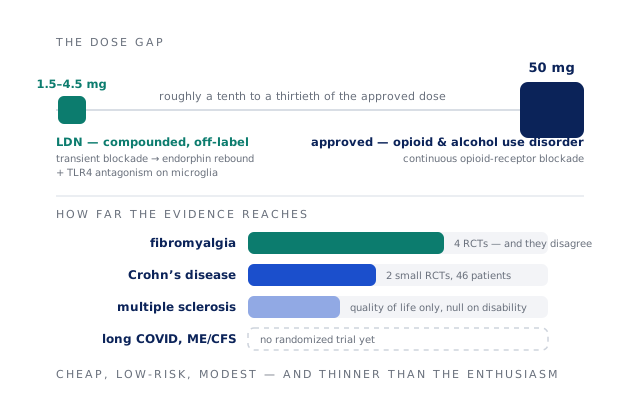
LDN is a 50 mg drug taken at 4.5 mg for pain, autoimmune disease and fatigue. The TLR4 mechanism is real and interesting — but the small fibromyalgia pilots and the large one disagree, and that contrast is the whole story.
Low-dose naltrexone cost in 2026: why every LDN prescription is compounded
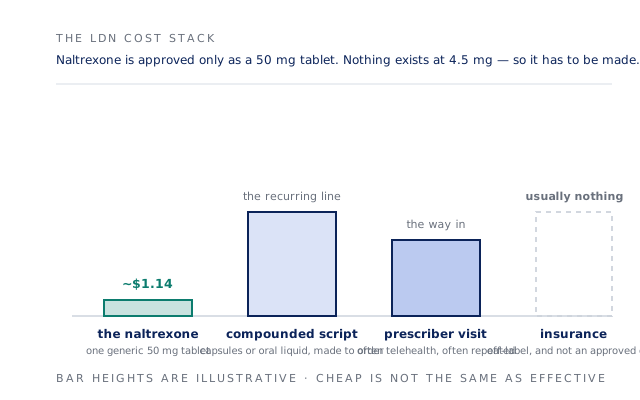
No approved product exists at 1.5–4.5 mg, so a pharmacy has to make it. That is why the naltrexone itself costs about $1.14 a tablet and your bill doesn't. What you actually pay for, what moves the quote, and why cheap is not evidence of benefit.
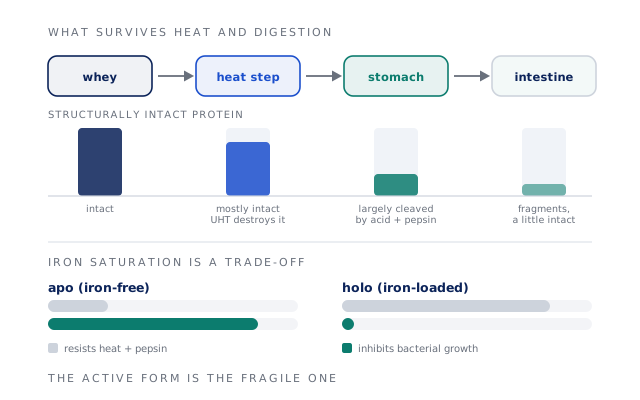
Lactoferrin: what the evidence actually shows
An iron-binding milk protein with real biology and a consistent pattern in its trials — the smaller the study, the better it looks. ELFIN and a 2026 head-to-head against ferrous sulfate are the ones that count.
The best lactoferrin supplement: an evidence-first buyer’s guide
No rankings, no commissions — just the six things that actually differ between lactoferrin products, why apo versus holo is a real trade-off rather than a preference, and why the biggest trials found the least.
Fucoidan: what the human trials actually show
An unusual number of small randomized trials for a seaweed supplement — spread across six unrelated conditions with almost no replication. The shape of the evidence tells you more than any single result.
Luteolin: an excellent mechanism, and almost no human evidence
Luteolin beats the only licensed mast-cell blocker in a dish and calms microglia in aged mice — but nearly every human trial gave people a combination product, and the one placebo-controlled test of luteolin alone was negative.
Bovine colostrum: what it is, and what it has actually been tested for
First-milking colostrum is a mixture, not a molecule — about half the IgG survives to the small intestine, which is why the real evidence sits at the gut barrier in stressed athletes and nowhere near the skin, hair and leaky-gut claims selling it.
Butyrate supplements: what actually reaches your colon
Butyrate is made in the colon by fermenting fiber — and an oral capsule has to survive a gut that absorbs short-chain fatty acids long before they get there. What each delivery format has really demonstrated, and why fiber is still the better-evidenced route.
Akkermansia muciniphila: what the human evidence actually shows
A gut bacterium with a well-designed 32-person pilot behind it — and, as of 2026, two larger follow-ups that split the verdict.
Cellular energy & mitochondria
NAD⁺, mitophagy, and the mitochondrial-health compounds — where the human data is strongest.
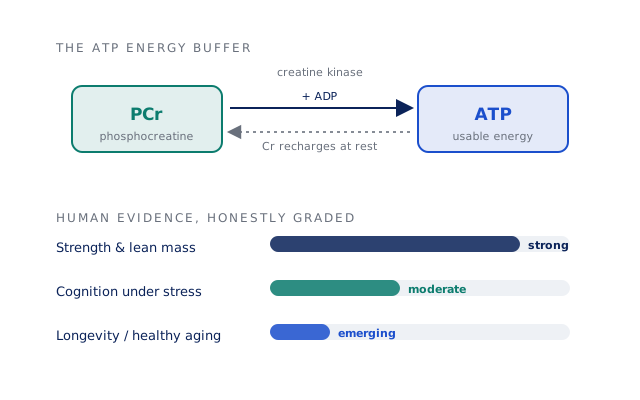
Creatine monohydrate: the best-evidenced supplement, graded honestly
Strong, replicated human data for strength and lean mass; a real but smaller cognitive signal under stress; a clean safety record — and a longevity story that's plausible but not yet proven.
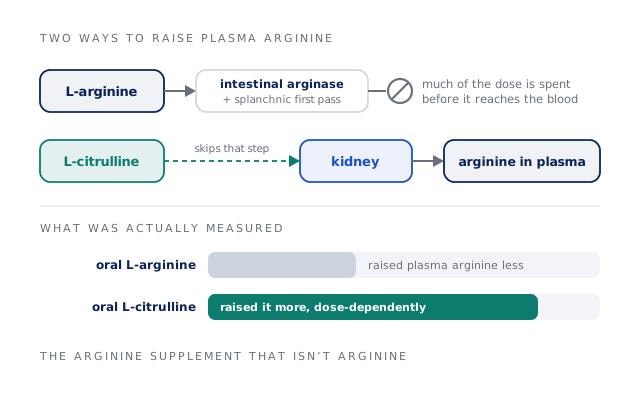
L-citrulline: the evidence, the dose, and the citrulline malate problem
Oral citrulline really does raise plasma arginine better than oral arginine — that part is solid. The performance effect is about three extra reps, the blood-pressure data rest on eight small trials, and most labels won't tell you how much citrulline you're actually getting.
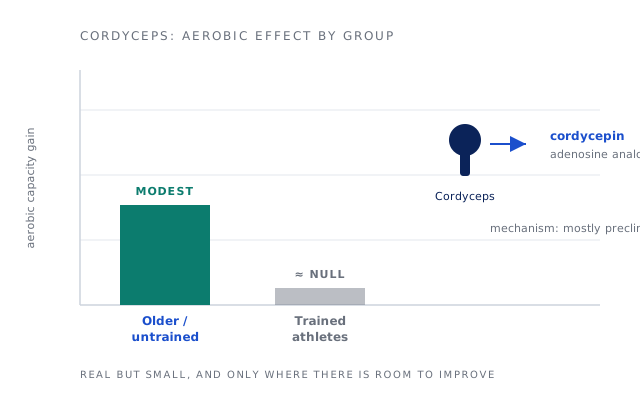
Cordyceps and performance: a mild aerobic aid, not the energy miracle
Small VO2max and endurance gains show up mainly in older or untrained people; trials in trained athletes come back null, and the cordycepin mechanism is largely preclinical.
NAC (N-acetylcysteine): a real antidote, an oversold antioxidant
NAC is the hospital-standard antidote for acetaminophen overdose and has real support in some psychiatry, as a mucolytic and for fertility — but the everyday 'antioxidant / detox / anti-aging' use it's mostly sold for is the weakest part of the story.
NAD+ precursors (NR and NMN): what the human trials actually show
They raise NAD+ and look safe short-term, but human evidence is surrogate-marker level, and no trial shows they extend healthspan.
NAD+ IV therapy: an expensive drip ahead of its evidence
Clinics sell NAD+ infusions for anti-aging, energy and addiction at several hundred dollars to about $1,000 a session. A 2026 systematic review of 113 studies found no outcomes trial of intravenous NAD+ at all, and a tolerability study finally put numbers on the side effects.
NAD+ injections: benefits, side effects, cost and what the evidence says
Subcutaneous NAD+ is sold as a cheaper, at-home alternative to the IV drip, through “near me” clinics or telehealth shipped to your door. It’s compounded, not FDA-approved, and has no outcome trials; oral NR/NMN precursors are the route with the human data.
NAD therapy cost in 2026: IV vs. injection vs. oral, and what your money buys
NAD+ is priced by delivery format: IV infusions run several hundred dollars a session, injections ~$165–$340/month, oral precursors ~$39–$49/month. The catch: cost runs inverse to evidence. Here’s the honest breakdown.
NMN cost in 2026: price per gram, best value, and where the FDA landed
Oral NMN runs about $25 to $45 a month in capsules at common doses, less as bulk powder. The metric that compares brands is cost per gram, and the FDA confirmed in 2025 that NMN can be sold as a supplement.
Glutathione cost in 2026: IV drip vs. injection vs. oral, and what your money buys
Glutathione is priced by delivery route: IV “gluta drips” cost hundreds of dollars a session, injection kits about $199 to $299 a month, oral capsules about $15 to $30. The catch: cost runs inverse to evidence. Here’s the honest breakdown.
Urolithin A (Mitopure): real trials, modest results
A mitophagy-inducing postbiotic with unusually strong RCT evidence for a supplement — that reproducibly improves muscle endurance and biomarkers while repeatedly missing its primary strength endpoints.
MOTS-c peptide: benefits, side effects and what the evidence shows
Real mitochondrial biology, absent human evidence: a genuine mitochondrial-derived peptide with interesting rodent data on metabolism and exercise, but no human outcome trials. Promising biology, not a proven therapeutic.
Humanin: the first mitochondrial-derived peptide — real biology, no human trials
Discovered in 2001 in a surviving neuron, humanin is a genuine cytoprotective mitochondrial-derived peptide whose levels fall with age — but no randomized human trial shows that taking it does anything for people.
GlyNAC: impressive trials, an unsettled replication question
Glycine + NAC restores glutathione and improved a broad sweep of aging markers in randomized human trials — but those trials are small, single-group, and the one independent attempt missed its primary endpoint.
Glycine: sleep, collagen, glutathione — and one real lifespan result
The simplest amino acid, and probably one you make too little of. The sleep trials are small and come from a single corporate lab; the mouse lifespan result is real but at twenty times a bedtime dose.
Glutathione: the master antioxidant, and where the evidence actually is
Oral glutathione really does raise your body stores (a 6-month RCT proved it) — but the longevity and detox claims are unproven, skin-lightening is modest, and IV glutathione is the most marketed, least evidenced route. The precursors may be the smarter bet.
Methylene blue: the longevity 'biohack' that's actually a drug
Low-dose methylene blue has a plausible mitochondrial mechanism and a real single-dose memory signal — but it's an FDA-approved drug, not a supplement, its anti-aging claims are preclinical, and it can cause fatal serotonin syndrome with antidepressants.
TUDCA: real bile-acid biology, an approved parent drug, and a failed flagship trial
TUDCA is a genuine ER-stress-calming chemical chaperone whose parent compound (UDCA/ursodiol) is an approved liver drug — but the longevity and broad supplement claims rest on mechanism and small or animal studies, and its highest-profile human program (ALS / Relyvrio) failed phase 3 and was withdrawn in 2024.
Milk thistle: the effect fades as the trials improve
Milk thistle's pooled liver-mortality benefit disappears in the high-quality trials, and its best-designed randomized trial found nothing at above-label doses — while the famous mushroom-poisoning antidote is an intravenous hospital drug, not the capsule on the shelf.
MOTS-c dosage: there is no validated human dose
MOTS-c's evidence is almost entirely preclinical — the real dosing data is mg/kg in mice, which does not convert to a human protocol. The ranges traded online are unvalidated, experimental self-dosing.
MOTS-c side effects: the human safety data simply doesn't exist
Animal studies haven't flagged overt toxicity at the doses tested — but there are no human safety trials, so MOTS-c's real side-effect profile in people is unknown, not proven safe.
Humanin dosage: why there is no validated human dose
Humanin and its potent HNG analog have been dosed only in cells and animals — there is no human dosing trial and no established human dose. In people, humanin is a biomarker you measure, not a drug you take.
SS-31 peptide (elamipretide): benefits, evidence and approval status
An elegant mitochondrial mechanism meets a hard clinical record: a cardiolipin-binding peptide with a failed myopathy trial and a narrow, confirmation-pending Barth syndrome approval. A straight read.
NAD⁺ nasal spray: the delivery format with the least direct evidence
Intranasal NAD⁺ is convenient and heavily marketed, but no human trial shows the spray raises systemic or brain NAD⁺. A straight comparison with the better-studied routes.
The best NAD⁺ supplement: an evidence-first buyer's guide
The honest answer is a precursor, not a “NAD⁺” pill. How to choose an NR or NMN supplement on verifiable criteria (proven ingredient, studied dose, third-party testing, price) and where the evidence stops.
Ergothioneine: the mushroom-derived “longevity vitamin,” assessed
A diet-derived antioxidant with its own transporter and encouraging epidemiology — but no outcome trials. A straight read of what the evidence supports and where it stops.
NMN vs NR: the two leading NAD⁺ precursors, head-to-head
Both reliably raise NAD⁺ markers in humans; neither has proven longevity outcomes. A straight comparison on pathway, absorption, the human trial record, and the FDA wrinkle that decides which you can buy.
SS-31 (elamipretide) dosage: what the trials actually used
The elamipretide trials converged on 40 mg once daily, injected subcutaneously — but that is a studied dose in serious disease, not an approved dose for anti-aging or general use. The honest numbers, and why the gray-market version is risky.
Urolithin A dosage: the doses the trials actually used
The human RCTs used 500 mg or 1,000 mg once daily, oral — 1,000 mg ran through every muscle trial. You dose the finished metabolite (Mitopure) to bypass unreliable gut conversion. Well tolerated, but a supplement, not a proven strength drug.
TUDCA side effects: generally well tolerated, with real limits
In the human trials that exist, TUDCA is well tolerated — the reported effects are mild and gastrointestinal — but its parent drug UDCA at high doses had a safety signal, absorption interactions matter, and long-term human safety data are limited.
Urolithin A side effects: a clean record, but short trials
Urolithin A (Mitopure) was well tolerated across the human RCTs — adverse events comparable to placebo, no serious events, GRAS status. The honest catch is that those trials ran weeks to months, so long-term safety is unestablished.
Glutathione side effects: oral is benign, injectable skin-whitening is not
Oral glutathione is generally well tolerated. The honest safety issue is unregulated IV and injectable glutathione sold for skin-whitening — an unapproved use that regulators have warned about, tied to severe skin reactions, thyroid and kidney effects, and infection risk.
Glutathione dosage: oral, injection and IV doses compared
No glutathione dose is approved. Here are the oral doses trials actually tested, how to read a 200 mg/mL injection vial in mg and units, and why the large IV doses have the weakest evidence and FDA's warnings.
CoQ10: strong cardiac evidence, hype everywhere else
The Q-SYMBIO trial cut mortality in heart failure — but statin-muscle data are mixed, migraine support is moderate, and the anti-aging pitch rests on a decline, not an outcome.
PQQ evidence: a strong mitochondrial mechanism, thin human data
PQQ activates the PGC-1α biogenesis pathway in the lab — but the human case is a few small, short, partly industry-run trials with no healthspan outcomes.
The best CoQ10 supplement: an evidence-first buyer’s guide
No fake lab rankings — just the verifiable criteria that separate a good CoQ10 supplement from a bad one: ubiquinone vs ubiquinol, a real dose, an oil-based softgel, third-party testing and value — and where the evidence actually stops.
The best urolithin A supplement: an evidence-first buyer’s guide
No fake lab rankings — just the verifiable criteria that separate a real urolithin A supplement from a dressed-up pomegranate extract: the proven molecule, the studied dose, third-party testing and value.
Alpha-Lipoic Acid: Evidence, Dosing and the Risks Nobody Mentions
Alpha-lipoic acid is a licensed neuropathy drug in Germany and an unapproved supplement in the US — with strong diabetic-neuropathy data, a marginal ~0.7 kg weight effect, and a real, ancestry-linked risk of autoimmune hypoglycemia.
HMB supplement: what β-hydroxy β-methylbutyrate actually does for muscle
The evidence splits hard by population — meaningful in bed rest, disuse, and sarcopenia, weak to null in trained athletes, and completely untested in anyone taking a GLP-1.
Beetroot supplements and dietary nitrate: what the evidence actually supports
The nitrate→nitrite→nitric oxide pathway is real, and so are the blood-pressure and endurance effects — but they're modest, they vanish in elite athletes, product labels hide the dose, and antibacterial mouthwash can abolish the whole thing.
MitoQ: the real evidence behind the mitochondria-targeted antioxidant
A genuinely engineered delivery mechanism and one well-run human vascular trial — but a Parkinson's trial and a muscle-redox trial both came back negative.
Molecular hydrogen (hydrogen water): what the human trials actually show
A real, well-documented selective-antioxidant mechanism — but the field's own Parkinson's trial went from a promising pilot to a null 178-patient replication.
Acetyl-L-Carnitine (ALCAR): Evidence for Neuropathy, Depression and Cognition
Real mitochondrial mechanism and RCT data in three conditions — strongest for depression augmentation, mixed for neuropathy, unsettled for cognitive impairment.
Cognition & nootropics
The supplements sold for memory, focus and clean energy — graded by what the human trials actually show.
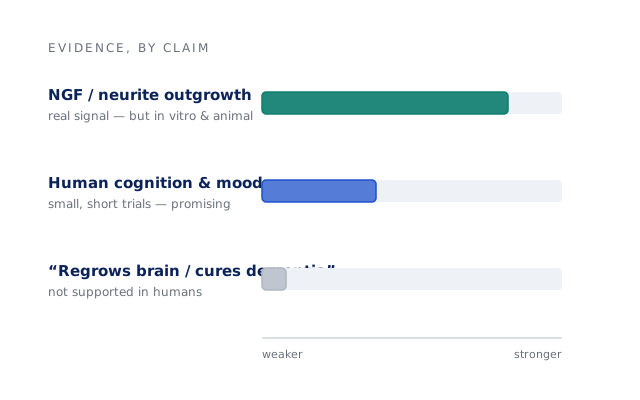
Lion's Mane: what the evidence actually shows for the brain
A real NGF-stimulating mechanism — but it's mostly in a dish. The human cognition and mood trials are small, short, and few, and the 'regrows your brain / cures dementia' claims run far ahead of the data.
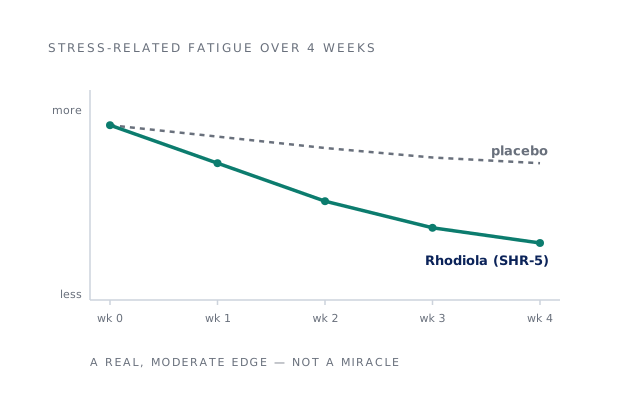
Rhodiola rosea: what the evidence actually shows for fatigue, stress, and focus
The adaptogen with the most focused signal — decent short-term RCT data for stress-related fatigue and mental performance under load, a modest mood effect, and systematic reviews that call it promising but not yet proven.
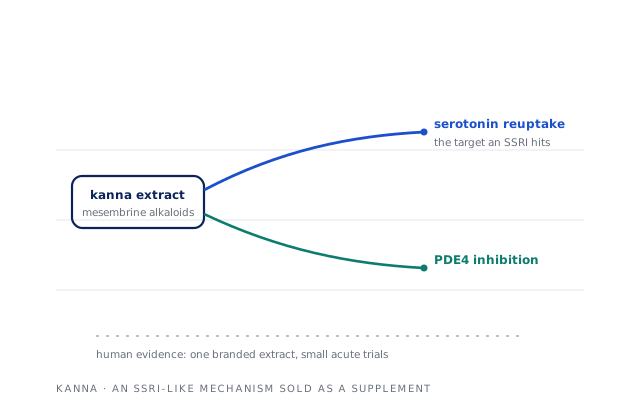
Kanna: an SSRI-like mechanism sold as a mood supplement
Kanna's researched extract is a dual serotonin-reuptake and PDE4 inhibitor — the same target class as an antidepressant — yet nearly all of its human evidence belongs to one branded product, the best anxiety trial ran two studies of which the first was null, and a 2026 review calls the literature mixed.
Magnesium L-Threonate (Magtein): does the 'brain magnesium' actually work?
A real preclinical mechanism — but the 'raises brain magnesium + sharpens memory' story rests on one 2010 rodent study and one small, industry-linked human trial. For plain repletion, cheap glycinate works fine.
Gotu Kola (Centella asiatica): What the Evidence Actually Shows
Strong for venous insufficiency and topical wound healing; the cognition and longevity claims rest on thin, mixed data.
Alpha-GPC: What the Evidence Actually Shows
A cholinergic precursor with real dementia-trial data, weak ergogenic studies, and an unresolved 2021 stroke-risk signal.
Paraxanthine: The Evidence on Caffeine's Primary Metabolite
The well-characterized methylxanthine behind the “cleaner caffeine” pitch — what the small, mostly industry-funded human trials actually show.
Phosphatidylserine: Evidence for Memory, Cortisol, and Cognitive Health
A membrane phospholipid with real biology, older positive cognition data on a form you can no longer buy, and a weaker case for the soy-derived version sold today.
Cerebrolysin: what it is, and what the evidence actually shows
A porcine-brain-derived peptide mixture sold abroad for stroke and dementia — and pitched online as a nootropic. A straight read of the Cochrane reviews and the regulatory reality.
Cerebrolysin dosage: the regimens trials actually used
In the largest stroke trials the dose was 30 mL/day by IV infusion, over 10-to-21-day courses. But there's no FDA-approved dose, the pooled evidence shows no benefit on death, and it's a clinician-administered drug — not a home protocol.
Cerebrolysin side effects: well tolerated, with one serious flag
The trials rated it reasonably tolerated and the common effects are mild and infusion-related — but Cochrane flagged a possible increase in non-fatal serious adverse events, and its porcine source carries a rare anaphylaxis risk.
Lithium orotate: an intriguing population signal, almost no direct evidence
Trace lithium in drinking water tracks with lower suicide and dementia rates — but that's an association, and lithium orotate itself has essentially no controlled human trials.
Citicoline (CDP-choline): what the evidence actually shows
A prescription neuro-drug in dozens of countries and a supplement in the US — whose two largest, most rigorous trials, in stroke and brain injury, both came back null.
Huperzine A: a cholinesterase inhibitor sold as a supplement
Same mechanism as donepezil, opposite regulatory shelf. Three Cochrane reviews, one failed US phase II trial, no evidence in healthy adults — and a real interaction surface most buyers never hear about.
Metabolic longevity
Glucose, AMPK, and the metabolic-aging hypothesis — metformin and berberine.
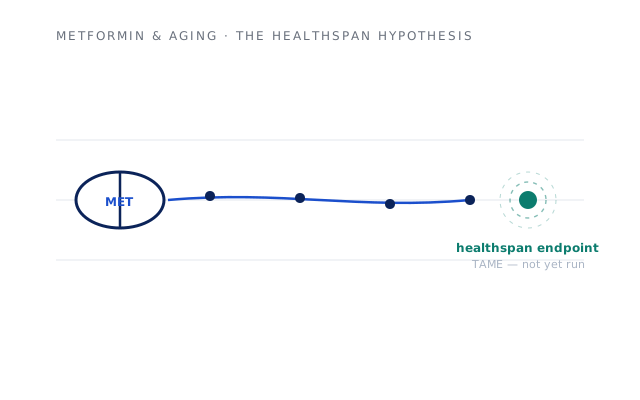
Metformin for longevity: TAME, MILES, and the healthspan hypothesis
A provocative survival signal, a credible mechanism, surrogate-level human data — but the definitive outcome trial hasn't reported. An honest grade.
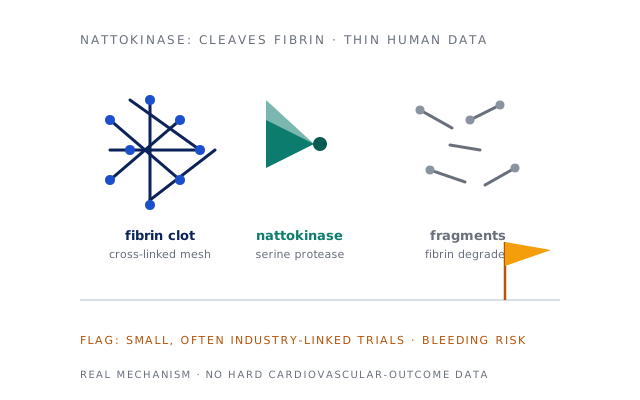
Nattokinase: a real clot-dissolving enzyme on a thin, cautious evidence base
The fibrinolytic enzyme from natto genuinely cleaves fibrin and shifts human clotting markers, and small trials hint at modest blood-pressure, plaque, and lipid benefits — but the data are thin, often industry-linked, hard outcomes are absent, and bleeding risk is real.
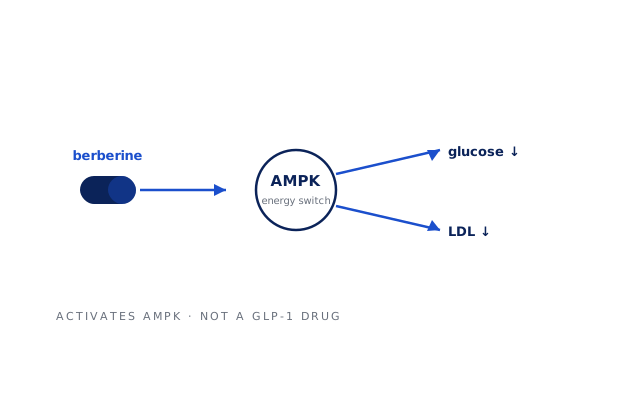
Berberine: real evidence for blood sugar, not for weight loss
A plant alkaloid that activates AMPK and lowers glucose and LDL in human trials — with effects on blood sugar comparable to oral diabetes drugs. But it's not a GLP-1, and 'nature's Ozempic' is a myth.
Berberine vs metformin: same switch, very different evidence
Both activate AMPK, and in a small head-to-head berberine's glucose-lowering matched metformin's. But metformin is an approved drug with decades of data; berberine is a low-certainty supplement.
Berberine vs Ozempic: why 'nature's Ozempic' is a myth
Berberine and Ozempic work by completely different mechanisms (AMPK vs GLP-1) and produce completely different results: no significant weight change for berberine versus about 15% for semaglutide.
Berberine dosage: how much, when, and the safety catches
Trials used 500 mg two to three times daily with meals — split because berberine is barely absorbed (under 1%). Plus the GI effects, drug interactions, and the firm pregnancy contraindication.
SLU-PP-332: the “exercise mimetic” that lives entirely in mice
A synthetic pan-agonist of the ERRα/β/γ receptors switches on an endurance-training program — in rodents and cell culture. A straight read of the preclinical evidence, and why there is no human story yet.
The best berberine supplement: an evidence-first buyer’s guide
No fake lab rankings — just the verifiable criteria that actually separate a good berberine supplement from a bad one: form, dose, third-party testing, manufacturing and value.
Acarbose and longevity: a carb-blocker with a real mouse-lifespan signal
An approved diabetes drug that repeatably extended lifespan in NIA mice — more in males. A straight read of the mouse data, the human gap, and the side-effect ceiling.
Inositol: what myo-inositol and D-chiro-inositol actually do
PCOS is inositol's strongest indication — and the 2023 international guideline still graded the evidence very low certainty. What the trials show for cycles, gestational diabetes and anxiety, and where the 40:1 ratio really comes from.
Dihydroberberine: is it really better than berberine?
DHB is berberine's own absorption intermediate, and the pharmacokinetic advantage is real — but the entire human record is two small PK pilots, and every outcome number is borrowed from berberine.
Benfotiamine: what the evidence actually shows
Benfotiamine delivers roughly 11× the thiamine of ordinary vitamin B1 and feeds a genuinely elegant mechanism — but the 12-month BOND trial found no effect on nerve structure or function, and the nephropathy trials were negative too.
Cardarine (GW-501516): the evidence, and why the drug was abandoned
It is not a SARM — it is a PPARδ agonist. The rodent endurance data is real but narrower than quoted, the human data is entirely about lipids, and GlaxoSmithKline stopped the program after two-year rodent studies produced tumors.
The best inositol supplement: an evidence-first buyer’s guide
No brands, no fake rankings — just how to read an inositol label: which isomer is in the bottle, what the 40:1 myo-to-D-chiro ratio is really based on, why 4 g/day is the number that matters, and how to compare cost per gram.
Beta-glucan: two different molecules sold under one name
Oat and barley beta-glucan is a viscous fiber with an FDA-authorized cholesterol claim. Yeast and mushroom beta-glucan is a branched immune-receptor ligand with none. Conflating them is the category's defining error.
Canagliflozin and longevity: a diabetes drug with a male-only mouse-lifespan signal
An approved SGLT2 inhibitor that extended median lifespan 14% in male NIA mice, with no benefit in females — a prescriber decision, not a supplement purchase.
Senescence & aging compounds
Rapamycin, senolytics, and the longevity supplements — strong stories, varied evidence.
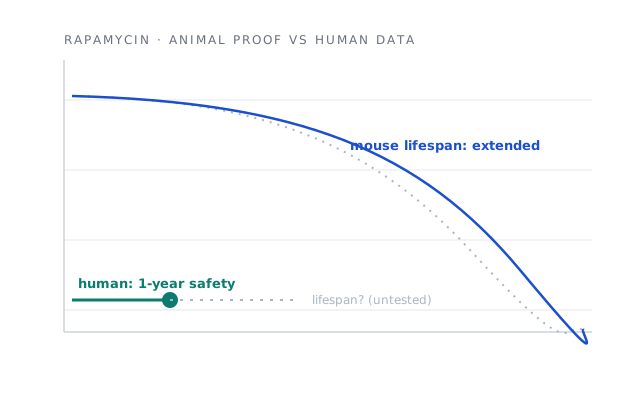
Rapamycin for longevity: the PEARL trial and the human evidence
Gold-standard mouse lifespan data, randomized human trials on an immune surrogate, and a one-year PEARL safety read — but no evidence yet that it extends human healthspan.
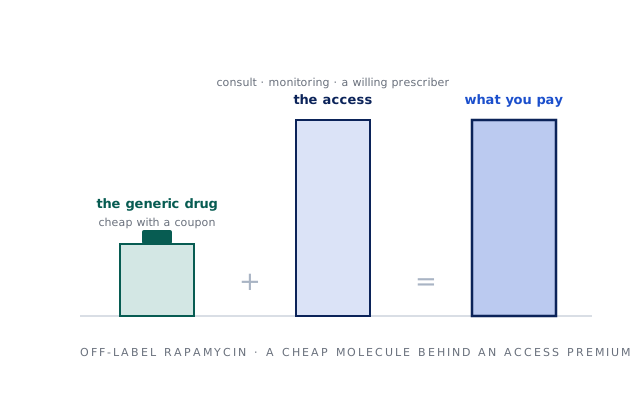
Rapamycin cost in 2026: a cheap generic drug behind an off-label access premium
Sirolimus is an off-patent generic — a month of tablets is often ~$50–$100 with a coupon. So what does rapamycin really cost for longevity? Mostly the off-label telehealth access, not the pills. The honest breakdown, anchored to the evidence.
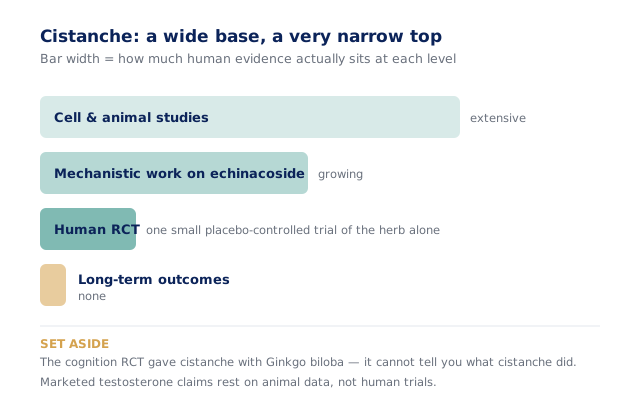
Cistanche: what the evidence actually shows for testosterone, memory and mobility
Real chemistry, a large animal literature, and exactly one small placebo-controlled trial of the herb on its own — while the cognition study everyone cites gave ginkgo alongside it. A straight read.
Exosome therapy: what the evidence and the FDA actually say
There are no FDA-approved exosome products, and the agency has logged reports of blindness, tumor formation and infections from unapproved ones — while clinics sell them for hair, skin and joints. A straight read.
Spermidine: a great longevity story, still waiting on the trials
A polyamine that induces autophagy, extends lifespan in mice, and tracks with lower mortality in population studies — but the association is observational, and the best human trial found no effect.
Fisetin: a powerful senolytic in mice, unproven in humans
A dietary flavonoid that's the most potent senolytic of its class and extends lifespan in mice — but the human trials that would test the senolytic claim are still ongoing, with no published outcomes.
Quercetin: one real benefit, and a reputation that outruns it
A flavonoid with modest, meta-analysis-backed blood-pressure benefit — but its 'senolytic' fame belongs to the dasatinib+quercetin combo, and its exercise and allergy claims are weak.
Resveratrol: spectacular in mice, disappointing in humans
The 'red wine longevity molecule' extended lifespan in yeast and mice via SIRT1 — but human trials show only modest benefit in diabetics, nothing in healthy people, and it even blunted exercise gains.
Pterostilbene: resveratrol's more absorbable cousin
Swapping two hydroxyls for methyl groups gives pterostilbene far better oral bioavailability than resveratrol — but human outcome data are two small trials, one showing a rise in LDL cholesterol, and none on aging.
Astaxanthin: a genuinely strong antioxidant, oversold as a cure-all
The marine carotenoid really is a potent lipid-phase antioxidant with decent skin data and a few moving oxidative-stress markers — but the trials are small and industry-linked, and the hard outcomes aren't there.
Curcumin: decent for joint pain, deceptive in a test tube
Turmeric's polyphenol has respectable randomized data for arthritis pain and modest mood/metabolic signals — but it is barely absorbed, and chemists formally flag it as a compound that fools lab assays.
Taurine and aging: what the Singh 2023 Science work and the human data actually show
A robust mouse lifespan result — but 2025 human data found taurine doesn't reliably decline with age, and the only human trials are small cardiometabolic ones.
Epitalon (epithalon): the honest evidence behind the telomerase and longevity claims
Marketed for telomerase activation and life extension. The supporting science is old, small, and almost entirely from one Russian lab — and largely unreplicated.
Epitalon (epithalon) dosage: the circulated short-course schedule vs. the (missing) standard
There is no FDA-approved epitalon dose. Here’s the short-course pattern people actually circulate — the ~10–20 day cycle, the “50 mg” vial confusion — and why every number is reported, not recommended.
Epitalon side effects: what's actually known about epithalon safety
The small Russian studies call epitalon (epithalon) well tolerated — but the safety database is tiny, old and single-group, there's no long-term human data, telomerase activation raises a theoretical cancer question, and the real risk is unregulated gray-market supply. “Few reported effects” isn't “proven safe.”
Sulforaphane: real human data, in niches that aren't longevity
The broccoli-sprout Nrf2 activator has genuine randomized trials — for autism and type-2 diabetes. But its anti-aging claims are preclinical, and bioavailability depends heavily on the preparation.
Calcium AKG (Rejuvant): a real metabolite, an overstated headline
Alpha-ketoglutarate declines with age and compresses morbidity in mice — genuinely interesting. But the viral 'about 8 years younger' claim comes from an uncontrolled, industry-linked clock study, and no human trial shows a hard outcome.
Astragalus & TA-65: a real telomerase activator, an unproven anti-aging claim
Astragalus is an immune-tonic herb whose saponin cycloastragenol genuinely activates telomerase in cells — but the longevity pitch rests on small, industry-linked human studies, while the better clinical data sit in kidney and heart disease.
Spermidine dosage: the trials used about 1 mg a day
Human cognition trials used a wheat-germ extract at 0.9–1.2 mg spermidine/day — and the most rigorous one was null. Sold products run higher (~1–6 mg/day) with no dedicated trials, and there's no established anti-aging dose.
Fisetin dosage: the “hit-and-run” trial protocol vs the supplement bottle
The senolytic dose being tested in humans is a ~20 mg/kg burst for two days, repeated monthly — roughly 1400 mg on a trial day for a 70 kg adult, and nothing like the 100–500 mg/day sold OTC. It's also experimental, with no published human outcomes.
Rapamycin side effects: the approved-use profile and the longevity-dose nuance
Mouth ulcers, raised lipids and glucose, infection risk and impaired wound healing come straight from sirolimus's transplant label — but low intermittent longevity dosing looks better tolerated, if unproven long-term.
Spermidine side effects: well tolerated, and one theoretical caveat
In the human trials spermidine's adverse events ran level with placebo — mild and mostly gastrointestinal. The polyamine/cancer concern is theoretical and unproven; the concrete flags are a wheat-germ allergen and the absence of long-term data.
Fisetin side effects: well tolerated, with honest cautions
Fisetin is generally well tolerated — long dietary history, low animal toxicity, no adverse events in the one human study. The real caveats are mild GI upset at high doses, a theoretical CYP drug-interaction flag, and the unproven long-term safety of experimental senolytic doses.
Apigenin: what the evidence says about sleep, anxiety, and the NAD+ longevity claim
A plausible GABA-A mechanism and a CD38/NAD+ longevity hypothesis — but the human data are mostly from chamomile and preclinical models, not isolated apigenin.
Klotho, the longevity protein: strong biology, no supplement you can buy
Klotho suppresses aging in mice, tracks with human longevity and cognition, and boosted cognition in aged monkeys in 2023 — but it's a large protein you can't take orally.
FOXO4-DRI: an elegant senolytic peptide with zero human evidence
A rationally designed peptide that frees p53 to kill senescent cells and reversed features of aging in mice — but rests on essentially one landmark study, has no human trials, and is sold gray-market with no safety basis.
The best resveratrol supplement: an evidence-first buyer’s guide
No fake lab rankings — just the verifiable criteria that separate a good resveratrol supplement from a bad one: trans-resveratrol form, a studied dose, absorption, third-party testing and source, and where the bioavailability problem caps it all.
The best spermidine supplement: an evidence-first buyer's guide
No fake lab rankings — just the verifiable criteria that separate a good spermidine supplement from a bad one: a standardized wheat-germ source, a disclosed milligram dose, third-party testing, purity, and value.
The best fisetin supplement: an evidence-first buyer’s guide
No fake rankings and no “reverse aging” hype — just the verifiable criteria for choosing a fisetin supplement, and an honest account of why the senolytic case is strong in mice but unproven in humans.
Landmark trials
The human and animal trials that anchor longevity science — what they showed, and where the evidence still falls short.
The CALERIE trial explained: what a 2-year test of caloric restriction actually showed
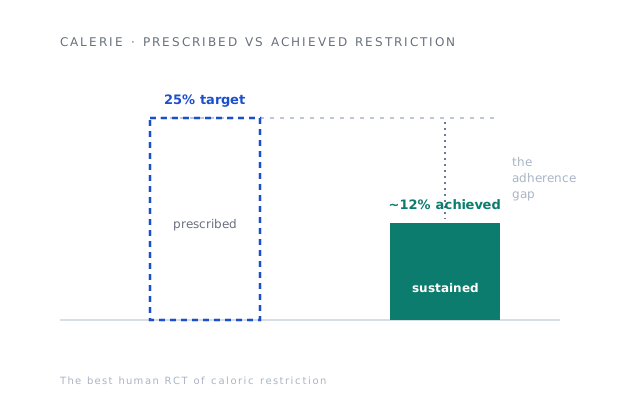
The landmark randomized trial of sustained caloric restriction in healthy adults moved aging biology in the right direction — but participants hit only about 12% of a 25% target, and it measured biomarkers, not lifespan.
The NIA Interventions Testing Program: the gold standard for longevity claims
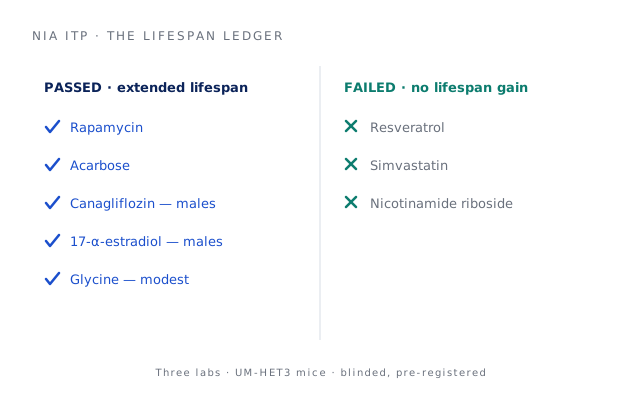
How the ITP tests compounds for lifespan in genetically diverse mice across three blinded labs — what passed (rapamycin, acarbose, canagliflozin), what failed (resveratrol), and why it is the benchmark.
More in Longevity
NAD+ dosage: injection, IV and oral doses, and what was studied
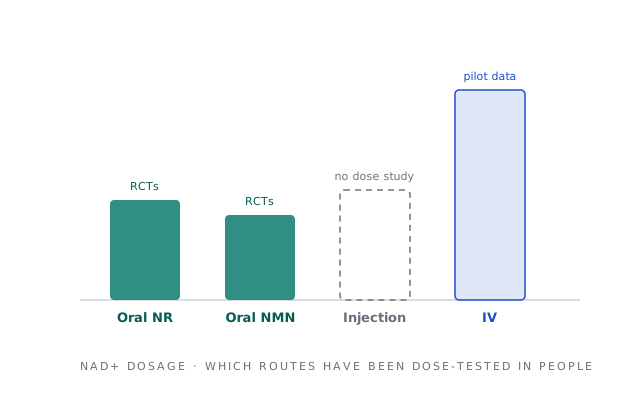
No NAD+ dose is FDA-approved. Injection doses are set by the prescriber with no dose-finding study, IV drips run hundreds of milligrams over hours, and only oral NR and NMN have dose-ranging trials.
Biological age tests: what epigenetic clocks measure and how far to trust them
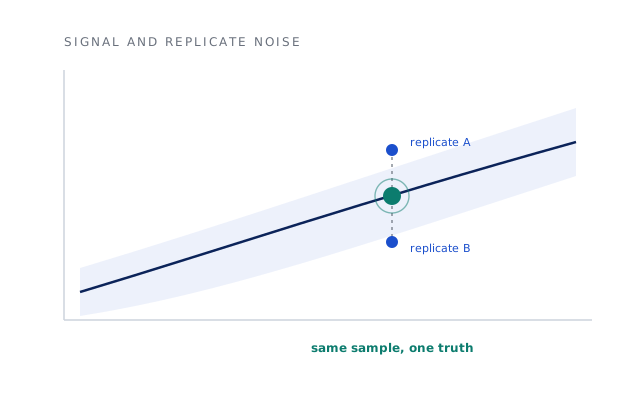
The clocks predict mortality well across populations. On replicate samples, six prominent ones disagreed with themselves by up to nine years — which is most of what you need to know before tracking your own.
Sarcopenia treatment: what has high-quality evidence and what does not
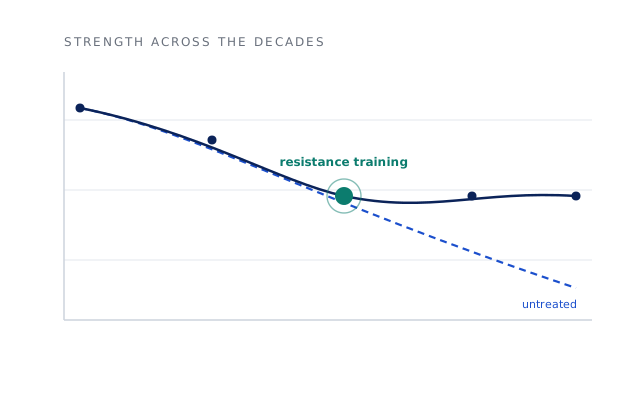
The 2019 consensus redefined sarcopenia around strength rather than mass — and the intervention with high-quality evidence behind it is the one nobody can sell you.